

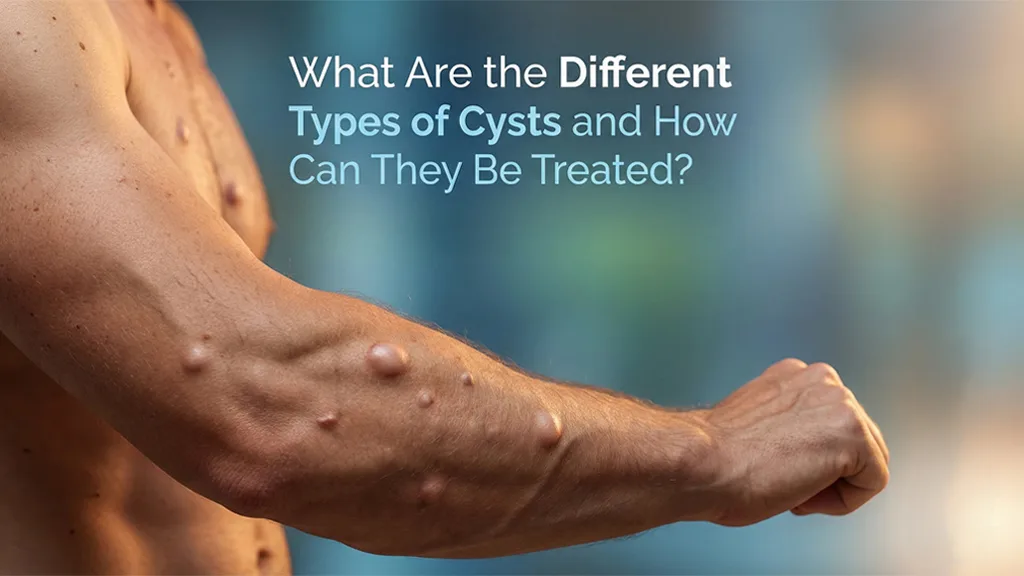
Discovering a lump under the skin can understandably cause concern. Many people notice a small bump on the face, neck, scalp, or body and wonder what it might be.
In many cases, these lumps are skin cysts, which are common and usually harmless. However, cysts can sometimes grow, become uncomfortable, or affect confidence, particularly when they appear in visible areas.
The reassuring news is that cysts can be safely and effectively treated.
At Harley Street Prestige Medical Clinic, our experienced doctors diagnose and treat a wide range of cysts using modern, minimally invasive techniques designed to provide safe removal, minimal scarring, and excellent cosmetic outcomes.
In this guide, we explain the most common types of cysts and the treatment options available.
What Is a Cyst?
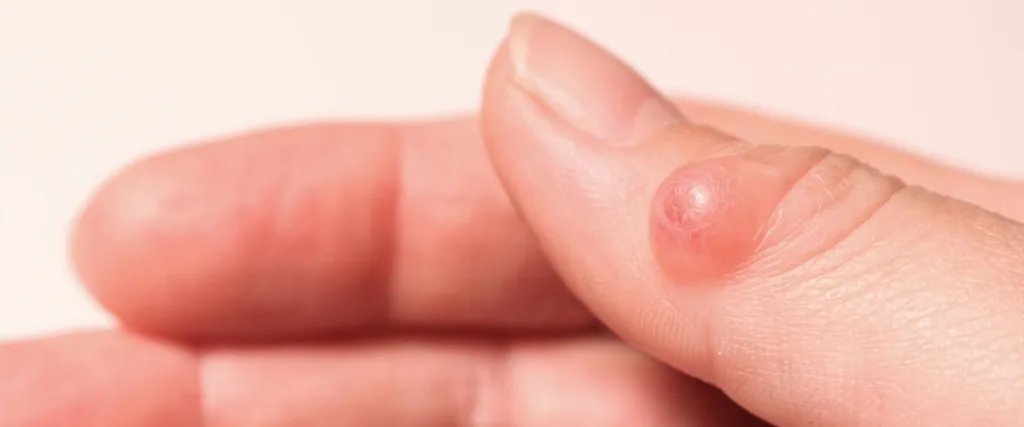
A cyst is a closed pocket of tissue that may contain fluid, keratin, pus, or other material. It typically develops beneath the skin and often grows slowly over time.
In many cases, cysts are painless and harmless, although they can sometimes become inflamed, infected, or cosmetically bothersome.
Cysts can vary greatly in size, from as small as a pea to several centimetres in diameter. They most commonly appear on the:
You should consider seeing a doctor if your cyst:
- Face
- Neck
- Scalp
- Back
- Shoulders
Although most cysts are benign, it is always advisable to have any new or changing lump assessed by a qualified medical professional.
When Should You See a Doctor?
You should consider seeking medical advice if a cyst:
- Is growing quickly
- Becomes painful or inflamed
- Changes in appearance
- Feels hard or irregular
- Causes discomfort or restricts movement
Early evaluation helps ensure the cyst is accurately diagnosed and treated appropriately, preventing unnecessary complications.
The Most Common Types of Cysts
There are several different types of cysts, each developing for slightly different reasons.
Epidermoid Cysts
Epidermoid cysts are one of the most frequently encountered skin cysts in clinical practice.
They develop when skin cells move deeper into the skin instead of shedding normally. These cells continue producing keratin, which gradually fills the cyst.
Epidermoid cysts usually appear as small, round lumps beneath the skin, most often on the face, neck, or upper body.
Many cysts commonly referred to as sebaceous cysts are in fact, epidermoid cysts. While the term “sebaceous cyst” is widely used by patients, medically these cysts often originate from the hair follicle rather than the sebaceous gland itself.
Although generally harmless, epidermoid cysts may occasionally become irritated, inflamed, or infected. For comfort or cosmetic reasons, many patients choose to have them removed.
Pilar Cysts
Pilar cysts develop from hair follicles and most commonly occur on the scalp.
They are typically smooth, firm, and slow-growing. Pilar cysts are usually painless but can become uncomfortable if they increase in size or catch during brushing or hairdressing.
Although harmless, removal may be recommended if the cyst becomes bothersome or continues to grow.
Pilonidal Cysts
Pilonidal cysts usually develop near the tailbone, at the top of the buttock crease.
They are believed to occur when hair becomes trapped beneath the skin, leading to inflammation and sometimes infection.
Common symptoms may include:
- Pain or tenderness
- Swelling or redness
- Drainage of pus
- Recurrent flare-ups
Because pilonidal cysts can become infected or recur repeatedly, medical cyst removal treatment is often recommended.
Dermoid Cysts
Dermoid cysts are less common and are often present from birth. They develop when skin tissue becomes trapped during early development.
These cysts may contain structures such as hair follicles, skin glands, or fatty tissue.
Dermoid cysts often appear around the face or eye area and should be carefully assessed by a doctor before treatment is considered.
Are Skin Cysts Cancerous?
The vast majority of skin cysts are benign and non-cancerous.
However, any unusual or rapidly changing lump should always be assessed by a medical professional to confirm the diagnosis and rule out other conditions.
At Harley Street dermatology clinic in London, our experienced doctors carefully assess every cyst to ensure that it is accurately diagnosed and treated safely.
When Should a Cyst Be Removed?
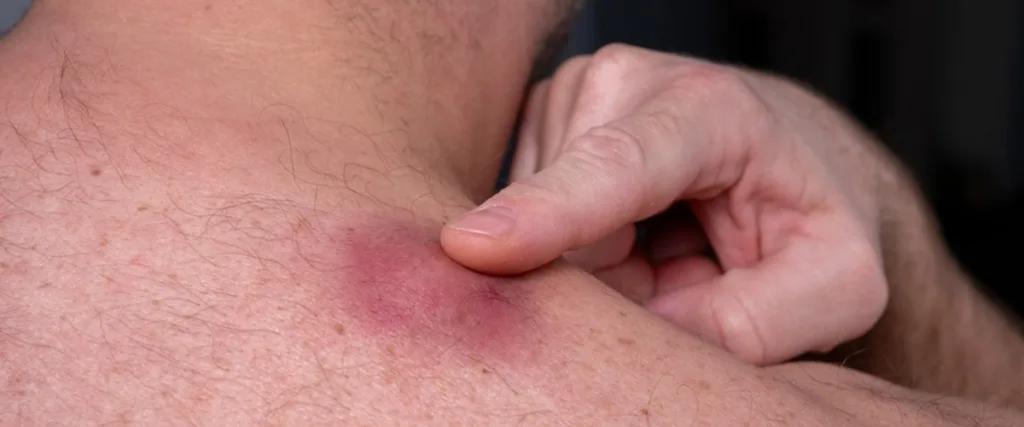
Not every cyst requires treatment. However, removal may be recommended if the cyst:
- Becomes painful or inflamed
- Continues to grow
- Interferes with movement or daily activities
- Appears in a visible or sensitive area
- Causes cosmetic concerns
Many patients choose removal because the cyst becomes uncomfortable or more noticeable over time.
How Are Cysts Treated?
Cyst removal surgery in London is typically a quick and straightforward procedure performed under local anaesthetic.
At Harley Street Prestige Medical Clinic, our doctors use careful surgical techniques designed to minimise discomfort and support optimal cosmetic healing.
Excision (Complete Removal)
Excision is the most effective treatment for permanent cyst removal.
During the procedure:
- The area is numbed with local anaesthetic
- A small incision is made in the skin
- The cyst and its capsule are carefully removed
- The skin is closed with stitches
Removing the cyst capsule is important because it helps reduce the risk of recurrence.
Drainage
If a cyst is inflamed or infected, the doctor may first drain it to relieve pressure and reduce swelling.
However, drainage alone does not remove the cyst wall, meaning the cyst may return. In these cases, a later excision procedure may be recommended to remove the cyst completely.
What Is Recovery Like After Cyst Removal?
Recovery after cyst removal is usually straightforward.
Most patients experience only mild swelling or bruising and are able to return to normal activities shortly afterwards.
Your doctor may advise:
- Keeping the area clean and dry
- Avoiding strenuous activity for a short period
- Returning for stitch removal if required
When performed by experienced clinicians, cyst removal typically results in minimal and discreet scarring.
Professional Cyst Removal in Harley Street, London
At Harley Street dermatology clinic in London, our doctors provide expert diagnosis and treatment for a wide range of skin cysts.
Our clinic offers:
- Experienced doctors
- Advanced minimally invasive procedures
- Personalised cyst removal treatment plans
- Techniques designed to minimise scarring
- Comprehensive aftercare support
Book a Consultation
If you have noticed a lump under your skin, and would like a professional assessment, our team at Harley Street Prestige Medical Clinic is here to help. Book a consultation today and our experienced doctors will guide you through the safest and most effective cyst removal treatment options.

