

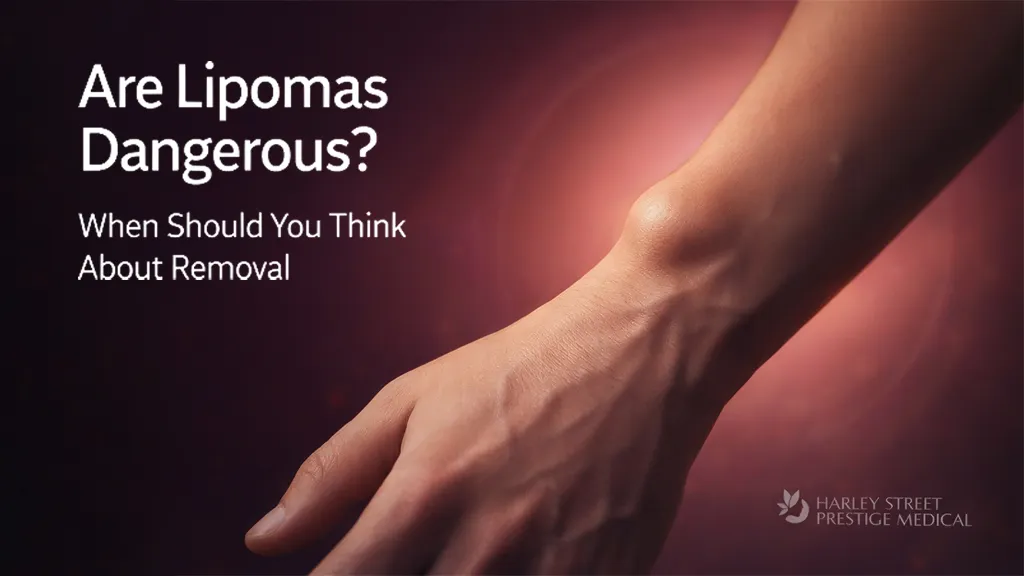
It often starts very quietly.
You’re getting dressed one morning, or maybe applying lotion after a shower, and your hand pauses. There’s a small lump under your skin that you hadn’t noticed before. It doesn’t hurt. It feels soft. You press it gently, and it moves slightly under your fingers.
Your first thought is simple: “What is this?”
Then comes the worry.
Is it dangerous? Is it cancerous? Will it grow? Should I ignore it or see a doctor?
If this sounds familiar, you’re not alone. Many people who visit Harley Street Prestige Medical share the same story. That small, soft lump is often something called a lipoma and while lipomas are usually harmless, knowing when to leave them alone and when to consider removal can bring real peace of mind.
Let’s talk about it.
What Exactly Is a Lipoma?
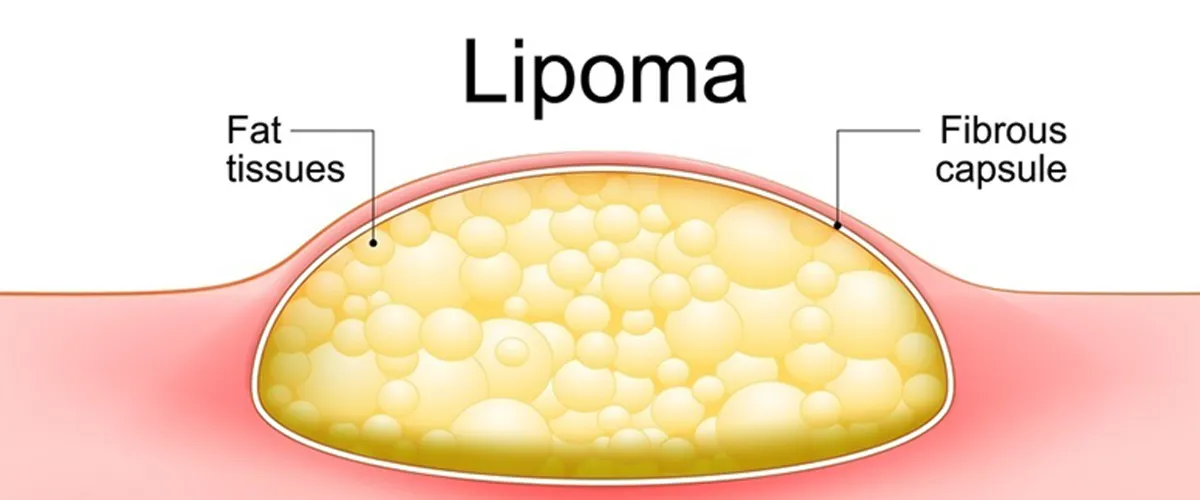
A lipoma is a benign (non-cancerous) lump made up of fat cells that forms just beneath the skin. It usually feels soft or rubbery to the touch, does not cause pain, and can move slightly when pressed. Lipomas tend to grow very slowly over time, which is why many people don’t notice them straight away and often discover them by chance.
DID YOU KNOW?
The incidence of lipomas is reported at approximately 2.1 per 1,000 people in the general population. (Source: ScienceDirect)
Where Can Lipomas Appear on the Body?
They can appear almost anywhere on the body, but are most commonly found on the:
- Neck
- Shoulders
- Arms
- Upper back
- Thighs
Many people live with lipomas for years without any medical issues. In fact, some don’t even realise they have one until it becomes more noticeable.
The Big Question: Are Lipomas Dangerous?
This is usually the first thing people ask, and the answer, in most cases, is no.
Lipomas are not cancerous. They do not spread to other parts of the body, and they are rarely harmful to your overall health.
However, even when something is medically harmless, it can still cause:
- Anxiety
- Physical discomfort
- Cosmetic concern
- Daily irritation
At Harley Street Dermatology Clinic London, we understand that health isn’t just about test results; it’s about how you feel, both physically and emotionally. That’s why personalised lipoma treatment plans matter.
When Should You Get a Lipoma Checked?
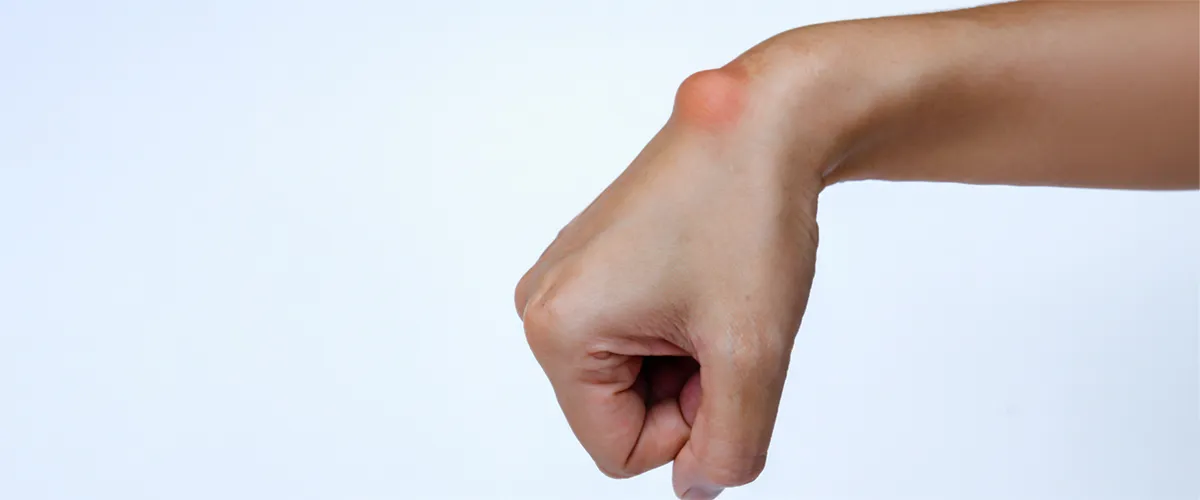
You should always consider seeing a medical professional if you notice a lump that:
- Is growing quickly
- Becomes painful or tender
- Feels hard rather than soft
- Changes shape or texture
- Causes numbness or discomfort
- Makes you feel worried or anxious
Even if a lump turns out to be harmless, getting clarity can be a huge relief. Early assessment also helps determine whether simple monitoring or lipoma removal surgery is the best option for you.
When Should You Think About Lipoma Removal?
Not every lipoma needs to be removed. However, lipoma removal surgery is often recommended or chosen when:
- The Lipoma Is Growing: A lipoma that continues to increase in size can become more noticeable and uncomfortable over time. Many patients choose removal before it becomes too large.
- It Causes Pain or Discomfort: Although lipomas are usually painless, larger ones can press on nerves or muscles, leading to discomfort.
- It Affects Your Confidence: Lipomas on visible areas like the neck, face, or arms can affect self-esteem. Wanting to feel comfortable in your own body is a completely valid reason for removal.
- It Interferes With Daily Life: If your lipoma rubs against clothing, limits movement, or causes irritation, removal can improve quality of life.
- You Want Certainty: Some patients simply want confirmation that the lump is benign and prefer to have it removed for reassurance.
How Does Lipoma Removal Work?
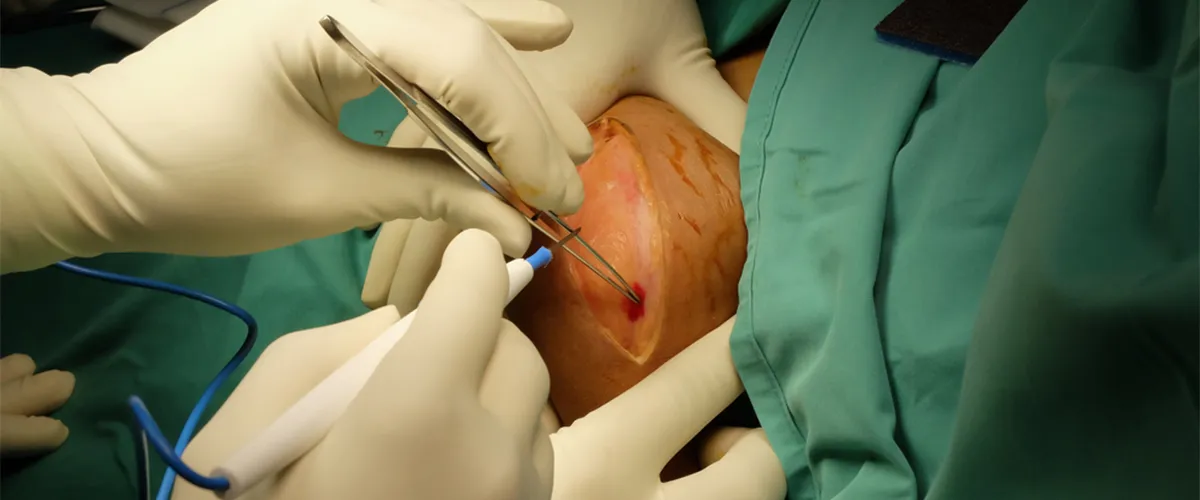
Lipoma removal is usually carried out under local anaesthetic, which means the area is fully numbed while you remain awake. The procedure is quick and usually very well tolerated under local anaesthetic, helping patients feel relaxed and reassured throughout.
Once the anaesthetic has taken effect, the doctor makes a small, precise incision in the skin and carefully removes the fatty lump through this opening. This form of lipoma treatment is quick, safe, and highly effective. If needed, the removed lipoma can be sent to a laboratory for testing to rule out any cancer, offering additional peace of mind.
After the lipoma is removed, the skin is neatly closed using stitches or careful reattachment techniques, completing the procedure with a focus on proper healing and minimal scarring.
Is the Procedure Painful?
This is another common fear.
During the procedure, most patients feel little to no pain, only some pressure. Afterwards, there may be mild soreness or swelling, which usually settles within a few days.
Simple pain relief and basic aftercare are usually all that’s needed.
Can a Lipoma Come Back After Removal?
This is a very common concern and a valid one. At Harley Street Prestige Medical, we use a proven and effective technique called full elliptical excision. Unlike some other methods that may leave small fragments behind, this approach allows the doctor to remove the lipoma completely, including its capsule.
Because the lipoma is removed along with its capsule, the risk of recurrence is very low. This makes our lipoma removal surgery a long-term solution rather than a temporary fix.
Where to Get a Lipoma Removed in London
At Harley Street Dermatology Clinic London, we understand that having a lipoma removed can feel nerve-wracking. That’s why we go the extra mile to give our patients the best care and results, and we are committed to achieving excellent clinical and cosmetic outcomes for all lipoma removal procedures.
Ready to take the first step? Book a consultation today and speak with our expert doctors about your lipoma removal options. Your comfort, confidence, and peace of mind are our top priority.

